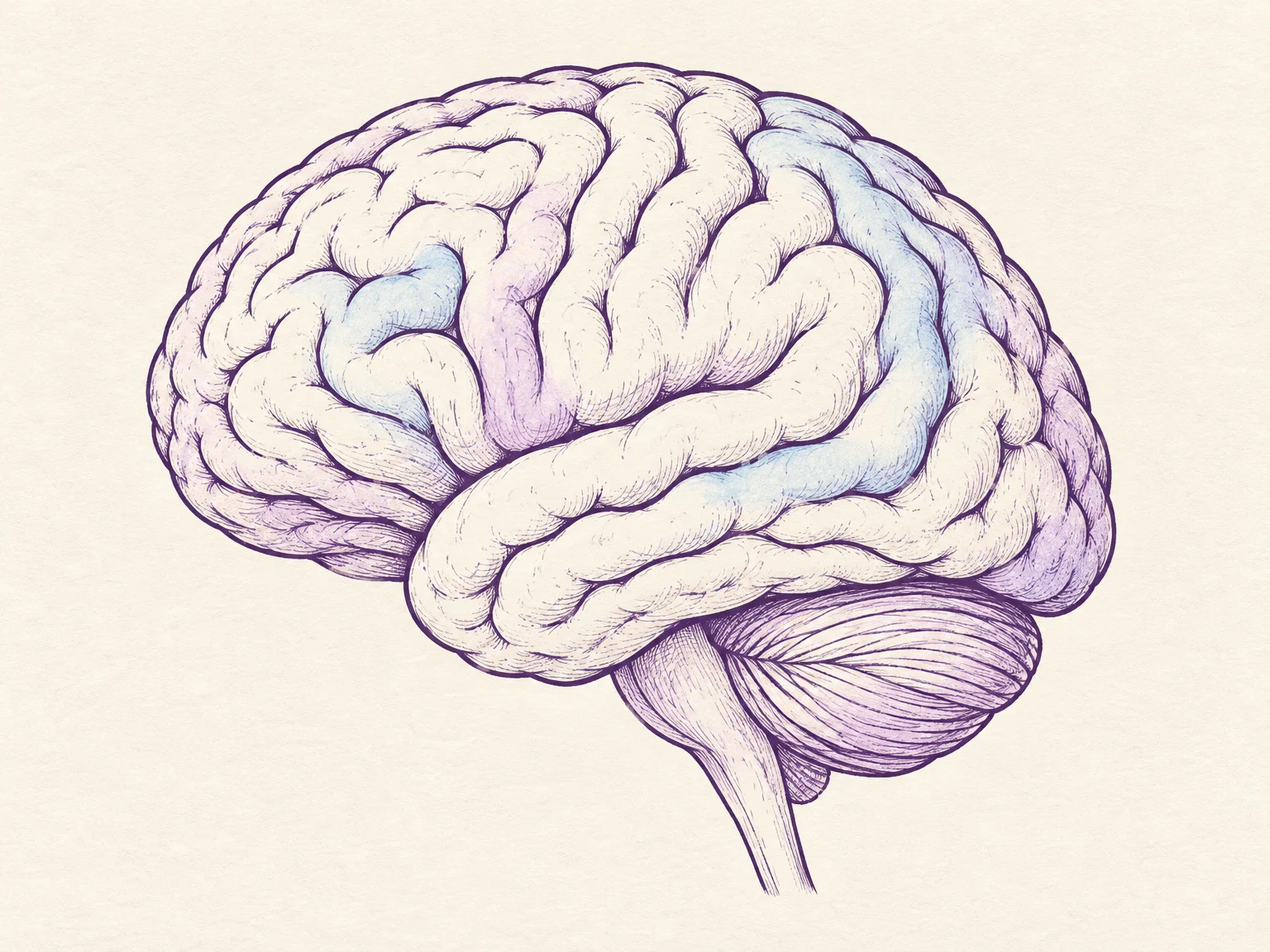
Your brain is part of your nervous system, a network that helps your body sense the world, move, remember and learn. It works with the spinal cord and nerves to carry information between the brain and the rest of the body.
Different brain areas contribute to different tasks, and many tasks involve several areas working together. For example, seeing an object and reaching for it draws on processes that interpret visual information, plan movement and guide your hand.
Nerve cells communicate with one another using electrical and chemical signals. Their connections can change with experience. Learning involves changes across networks; it is not simply a matter of using one side of the brain more than the other.
A playful brain character can help make a science lesson memorable, but it is an illustration—not a map of every brain region or a claim that one part acts alone. The brain’s real structures and functions are more detailed than any single cartoon can show.
Fun fact: Your brain receives information from your senses and helps your body respond, often while you are busy thinking about something else.
Question to explore: What information might your brain use when you catch a ball?
Leave a Reply